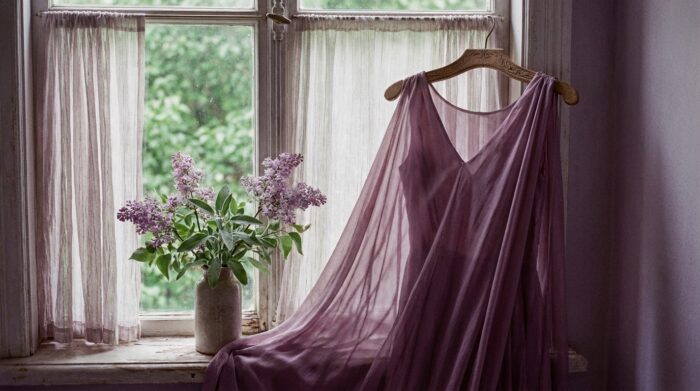
Mauve mother of the bride dresses have become a quiet favorite, and it is easy to see why. This soft purple-pink sits between lilac and dusty rose, flatters most complexions, and blends into a surprising number of wedding palettes, from spring pastels to warm autumn tones. It looks refined without trying too hard.
The secret is choosing the right version of mauve: cooler and grayer, or warmer and rosier. Below you will find how to tell the shades apart, how to match them to your skin and the season, and how to style the dress so it feels deliberate rather than washed out.
What exactly is mauve?
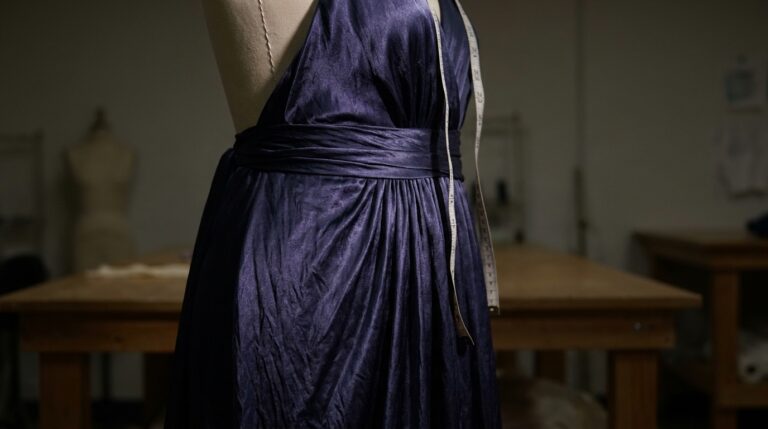
Mauve is a pale to medium purple with a muted, slightly grayed quality. In fashion the word covers a family of shades rather than a single color: some lean toward lavender, others toward pink. Antique rose, sometimes called old rose, sits at the warmer end of that family, with more pink and a touch of brown.
That muted quality is what makes mauve so wearable. Bright purple can overwhelm, while mauve softens it into something gentle that photographs well in both daylight and candlelight.
Mauve shades compared
| Shade | Undertone | Best season | Flatters |
|---|---|---|---|
| Lilac mauve | Cool, lavender-leaning | Spring and summer | Fair and cool skin, silver or gray hair |
| Dusty mauve | Neutral, grayed | All year | Most skin tones |
| Antique rose (old rose) | Warm, pink-brown | Fall and winter | Warm, olive and deep skin |
| Deep mauve | Rich, plum-leaning | Fall, winter and evening | Medium to deep skin |
Hold the fabric against your face in natural light before you commit. If your skin looks brighter and the shadows under your eyes fade, the shade is right. If you look sallow or tired, move warmer or cooler.
Why mauve is such a safe choice for the bride’s mother
Mauve solves several classic problems at once. It is clearly a color, so there is no risk of being confused with the bride’s white or ivory. It is soft enough not to steal attention. And it has a natural elegance that suits mature skin, because muted tones are less harsh than saturated ones.
It is also a diplomatic color when you need to coordinate with the wedding party. If you are still deciding on a color direction, our guide to choosing a shade that fits the wedding palette and your complexion explains etiquette, colors to avoid and who decides first.
Matching mauve to pastel palettes
Spring and summer weddings often use soft palettes of blush, sage, powder blue, butter yellow or lavender. Mauve fits right in.
- With sage or eucalyptus green: a lilac or dusty mauve creates a fresh, garden-like harmony.
- With blush bridesmaids: pick a mauve that is clearly deeper or more purple than their pink, so you coordinate without matching.
- With powder blue: a cool, grayed mauve sits beautifully beside it.
- With lavender: choose a mauve one or two steps deeper to stand apart.
Light fabrics such as chiffon, georgette and soft crepe suit pastel weddings and keep the color airy.
Matching mauve to autumn palettes
Mauve also works in the richer palettes of fall and early winter, where it brings softness to burgundy, rust, terracotta, mustard or deep green. Here, warmer antique rose and deep mauve tones look best.
- With burgundy and wine: antique rose creates a tonal, romantic look.
- With terracotta and rust: a warm, pinkish mauve keeps the palette cohesive.
- With emerald or forest green: deep mauve offers a striking but elegant contrast.
For cooler months, consider heavier fabrics: crepe, satin, velvet or a lined lace. They give mauve more depth and look richer in evening light.
Cuts and fabrics that make mauve look its best
Mauve is a soft color, so texture matters. Lace and beading add dimension and keep a muted tone from looking flat. Satin reflects light and makes the shade glow. Chiffon layers create movement and a romantic feel.
The cut depends on the dress code and your figure rather than the color. A-line gowns, wrap dresses, sheaths with a jacket and tea-length styles all work in mauve. For a full view of silhouettes, lengths and when to buy, see our complete guide to dressing for your daughter’s wedding.
Accessories, makeup and hair
- Metals: silver and white gold flatter cooler mauves; rose gold and soft gold suit antique rose.
- Shoes and bag: nude, metallic, dove gray or a deeper plum tone keep the look cohesive. Avoid black with pale mauve at a daytime wedding, which can look heavy.
- Makeup: rosy or berry lips and soft mauve or taupe eyeshadow echo the dress without matching it exactly.
- Hair: a soft updo or polished waves keep the look gentle and refined.
Common mistakes with mauve
- Choosing a shade too close to the bridesmaids’ color without checking a swatch.
- Picking a mauve so pale it reads as gray or beige in photos.
- Pairing a cool mauve with warm gold everything, which can clash.
- Judging the color under store lighting only.
FAQ
Is mauve a good color for a mother of the bride over 60?
Yes. Muted tones like mauve are gentle on mature skin and flatter silver or gray hair, especially in the cooler, grayed shades.
What is the difference between mauve and dusty rose?
Mauve leans purple with a grayed quality, while dusty rose leans pink. Antique rose sits between the two.
Can I wear mauve to a fall wedding?
Absolutely. Choose antique rose or deep mauve in a heavier fabric such as crepe, satin or velvet.
What color shoes go with a mauve dress?
Nude, silver, champagne, dove gray or a deeper plum work best.