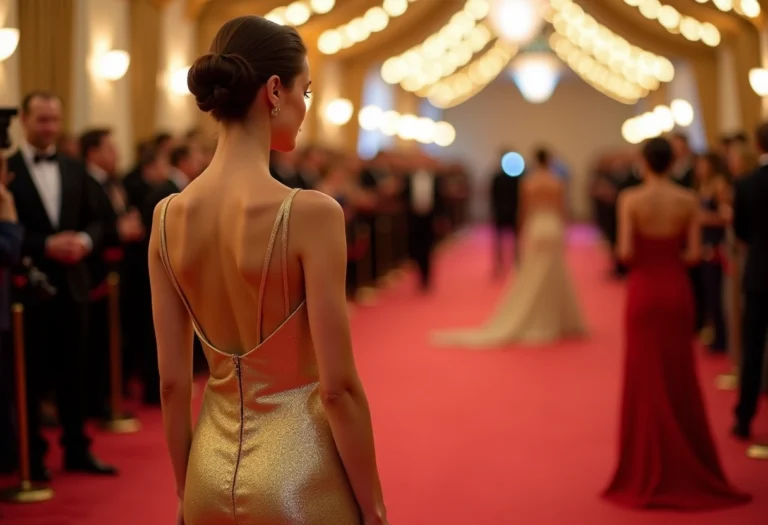
Formal mother of the bride dresses are the ones that match the most elegant end of the wedding spectrum: black tie, black tie optional and formal evening receptions. In practice that usually means an evening gown, most often floor length, in a rich fabric such as crepe, satin, velvet, silk chiffon or fine lace, worn with polished accessories.
As mother of the bride, you are a host. Your outfit sets an example for the guests and appears in every formal portrait, so it should sit right at the level the invitation announces, neither below it nor so far above it that you compete with the bride.
Here is how to read the invitation, which gowns and fabrics fit a formal wedding, and how to finish the look.
What the invitation tells you
The wording on the invitation, the venue and the start time are the three clues. The couple may also explain the dress code on their wedding website.
| Dress code | What it means for the mother of the bride |
|---|---|
| White tie | The most formal level, rare at weddings. A full-length evening gown, often with long gloves and fine jewelry. |
| Black tie | An evening gown. Floor length is the traditional and safest choice, though some etiquette guides also accept a very dressy shorter dress. |
| Black tie optional | A long gown or an elegant tea-length or cocktail dress in a refined fabric. The mother of the bride usually leans toward the more formal end. |
| Formal or “evening attire” | A long dress or a dressy tea-length, in evening fabrics. |
Other signals that point to a formal outfit: an evening ceremony (often 6 p.m. or later), a ballroom, historic hotel, cathedral or grand estate, a seated dinner with several courses, and a wedding party in long gowns and tuxedos.
When the invitation gives no dress code at all, the time and the venue decide: an evening reception in a formal setting still calls for an evening gown. If anything is unclear, ask your daughter. You are allowed to know more than the guests, and the couple usually has a clear vision for the photos.
Choosing the gown
Formal does not mean heavy or stiff. The most elegant gowns for the mother of the bride are often simple shapes with beautiful fabric and one strong detail.
- Column or sheath: long, slim and sophisticated, especially in crepe or satin.
- A-line: fitted at the waist, gently flared, flattering for most figures and easy to wear for hours.
- Draped gowns: Grecian-style draping in silk chiffon or jersey, softly elegant.
- Gown with a jacket or cape: a matching lace jacket or sheer cape adds coverage for the ceremony and comes off for dancing.
- Formal jumpsuit: a wide-leg jumpsuit in crepe or satin, increasingly accepted at black tie optional events. Check with the couple for a strict black tie wedding.
Avoid shapes that echo the bride, such as a full ball gown skirt with a long train, and very revealing cuts that are hard to wear during a long, formal evening.
Noble fabrics that read as formal
The fabric is what makes a gown look formal at first glance. The best choices:
- Crepe: matte, fluid and polished, wrinkle-resistant, suits every season.
- Satin and duchess satin: a soft sheen that photographs beautifully under evening lights.
- Velvet: rich and warm, perfect for fall and winter evenings.
- Silk chiffon: light and elegant, especially over a satin slip for spring and summer evenings.
- Fine lace: classic and refined, in a clear color rather than ivory.
- Beading and sequins: festive and formal, best concentrated on the bodice or used as an overlay so the gown stays comfortable.
Casual fabrics such as cotton, linen, light jersey knits or denim-like textures do not belong at a black tie wedding, however well cut the dress.
Length: when floor length is a must
For a black tie evening wedding, a floor-length gown is the surest choice for the mother of the bride. For black tie optional or formal daytime weddings, a refined tea-length dress can also work, especially if the bride and bridesmaids are not in long dresses.
Whatever the length, the hem must be done with the shoes you will wear. A formal gown that drags or stops at an awkward height undermines the whole look. Plan fittings several weeks ahead.
Colors for a formal wedding
Evening light and formal settings favor deeper, richer tones:
- Navy, midnight blue and sapphire.
- Emerald, forest green and deep teal.
- Burgundy, wine, plum and aubergine.
- Silver, pewter, soft gold and champagne that clearly is not ivory.
- Black, often accepted at an evening black tie wedding, ideally softened with jewelry or a touch of color. Check with your daughter first.
The color should still fit the wedding palette and complement, not copy, the bridesmaids and the mother of the groom. For the full picture, including the season, the shopping timeline and coordination with the other mother, our main guide on how to dress for your daughter’s wedding walks through each step.
Finishing touches for a formal look
- Jewelry: one focal piece, such as drop earrings, a statement necklace or a cocktail ring. Formal does not mean wearing everything at once.
- Bag: a small structured clutch or minaudière in satin, metal or beading.
- Shoes: elegant heels or dressy flats in satin, metallic leather or a tone matching the gown. Under a long hem, a comfortable block heel is perfectly acceptable.
- Cover-up: a silk or velvet wrap, a tailored evening coat or a faux fur stole for winter.
- Gloves: optional, and mostly reserved for white tie or a very formal theme.
- Hair and makeup: a polished updo or smooth blowout, and long-wearing makeup that holds up through the ceremony, dinner and dancing.
Formal mother of the bride dresses: mistakes to avoid
- Dressing below the dress code, for example a cotton sundress at a black tie wedding.
- Choosing white, ivory or a bridal-looking champagne lace.
- Copying the exact bridesmaid color.
- Adding a long train or a voluminous ball gown that rivals the bride.
- Leaving alterations to the last week.
Comfort through a long formal evening
Formal weddings tend to be long: ceremony, cocktail hour, a seated dinner, toasts and dancing, often well past midnight. A gown that looks perfect standing still can become hard to wear by the fourth hour. A few precautions help:
- Choose a bodice with built-in support so you are not adjusting straps all night.
- Test the gown seated for at least ten minutes during a fitting. Dinner lasts much longer.
- Keep a pair of dressy flats in a similar tone for the dancing, and hem the dress so it still clears the floor in them.
- Pack a small kit in your clutch: blotting papers, lipstick, a few safety pins and pain relief.
- Ask the seamstress to add a bustle loop or wrist loop if the skirt is long, so you can lift it easily on stairs and the dance floor.
FAQ
Does the mother of the bride have to wear a long dress at a black tie wedding?
Floor length is the traditional and safest choice. Some etiquette guides accept a very dressy shorter dress, but as a host the mother of the bride usually chooses long.
What is the difference between black tie and black tie optional?
Black tie calls for evening gowns and tuxedos. Black tie optional leaves more room: a long gown, an elegant tea-length or a dressy cocktail dress all work.
Which fabrics are best for a formal mother of the bride dress?
Crepe, satin, velvet, silk chiffon and fine lace. Beading and sequins also fit, especially on the bodice.
Can the mother of the bride wear a jumpsuit to a formal wedding?
A formal jumpsuit in crepe or satin is often accepted at black tie optional events. For a strict black tie wedding, check with the couple first.