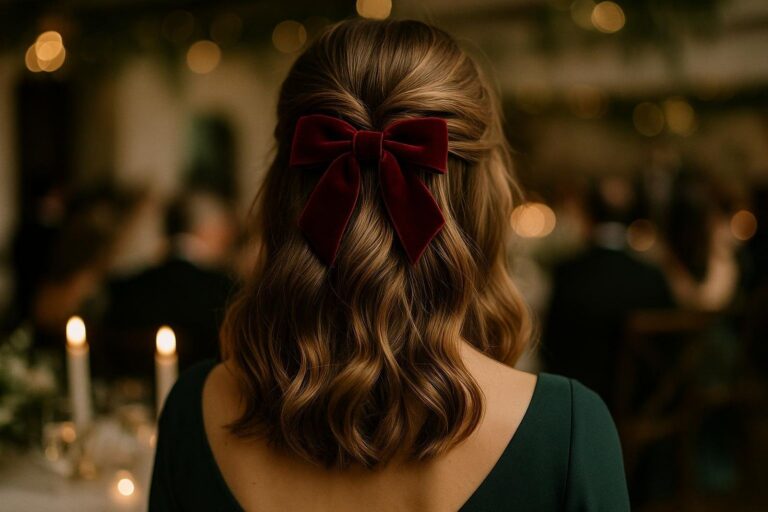
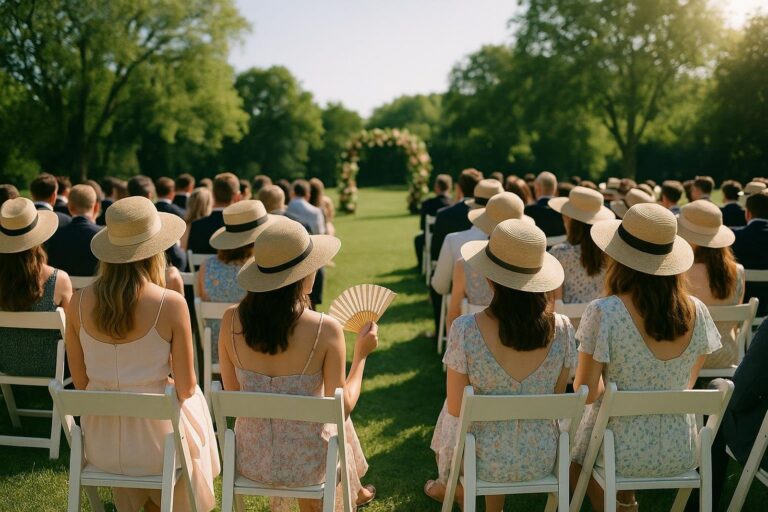
The best mother of the bride hairstyles share three qualities: they suit the texture you actually have, they work with the neckline of the dress, and they still look polished at the last dance, twelve hours after the first pin went in. Length matters less than people think. A soft updo, a sleek blowout or a textured crop can all look right on the day.
Your role also shapes the choice. As the bride’s mother you stand in the receiving line, the family portraits and the first rows of the ceremony, often from early morning onward. That calls for something more finished than a guest look, yet relaxed enough that you are not fussing with it while you greet people.
Here is how to choose by hair length and thickness, by face shape and by dress, and how to make the style hold from the getting-ready photos to the send-off.
What sets mother of the bride hair apart from a guest look
A wedding guest can arrive with loose waves and let them fall apart by dessert. The mother of the bride cannot, for a simple reason: she appears in more photos than almost anyone except the couple. Portraits are often taken before the ceremony, and the reception photos run late into the evening. Your hair needs to look the same in both.
There is also a question of tone. The bride’s hair is the focal point. Your style should feel elegant and coordinated with the wedding, without competing with a veil, a dramatic updo or a floral crown. In practice that means clean shapes, controlled volume and accessories kept smaller than the bride’s.
Mother of the bride hairstyles by hair length
Length decides which structures are possible; thickness decides how much support they need. The table gives a quick overview before we look at each length.
| Hair length | Styles that work well | Main challenge |
|---|---|---|
| Short (pixie, short bob, layered crop) | Textured crop, side-swept finish, sleek bob with a jeweled clip | Volume at the crown that lasts |
| Medium (shoulder length, long bob) | Half-up twist, polished blowout, low chignon with padding | Ends too short to tuck into a full updo |
| Long (below the shoulders) | Low bun, French twist, soft waves pinned to one side | Weight that pulls pins and drops curls |
Short hair
Short hair is the easiest to keep tidy all day, and it shows off earrings and a neckline beautifully. The goal is shape: lift at the roots, a defined part and a bit of texture through the ends so the cut does not look flat in photos. A small jeweled pin or a slim headband adds a sense of occasion without fuss.
Medium-length hair
Shoulder-length hair is the most versatile, but it can be tricky for updos because the shorter layers escape. Half-up styles, twisted sections pinned at the back and smooth, bouncy blowouts are the reliable options. A low chignon is still possible with a small padding piece or a few well-placed pins.
Long hair
Long hair offers the widest range, from a classic French twist to soft waves swept over one shoulder. Its weakness is weight. Curls left down tend to relax within a few hours, especially in humidity, so many women with long hair choose a low updo or a half-up style that keeps most of the length off the neck.
Fine, thick or curly: adjust for texture
Two women with the same length can need completely different approaches.
- Fine or thinning hair: skip sleek, tight styles that reveal the scalp. Choose loose, slightly messy updos, root-lifting products and backcombing at the crown. Small pins hold better than large clips in fine hair.
- Thick hair: it holds a curl and fills an updo easily, but it is heavy. Ask for sections to be pinned in layers rather than all at once, and use sturdy pins.
- Curly or coily hair: work with the natural pattern rather than against it. A defined curly updo, a pinned-up puff or a sculpted side style looks elegant and holds better than a blowout fighting humidity.
- Gray or silver hair: it reflects light, so smooth, polished shapes show it at its best. A gloss or purple-toned shampoo in the days before can keep the color bright in photos.
Choose by face shape
Face shape is a guide, not a rule, but it helps narrow the options.
- Round faces benefit from height at the crown and a side part, which lengthen the face. Avoid volume at cheek level.
- Long or oblong faces look balanced with width at the sides, soft waves or side-swept bangs. Very tall updos exaggerate length.
- Square faces are softened by loose tendrils around the jaw and rounded shapes. Severe, slicked-back styles harden the jawline.
- Heart-shaped faces look lovely with volume below the ears, such as a low bun or waves that fall around the chin.
- Oval faces carry most styles. Let the dress and the earrings decide.
Match the hairstyle to the dress
Your hair should be planned after the outfit, never before. Once you have found the right dress for the bride’s mother, bring a photo of it, and ideally the fabric, to the hair trial. The neckline is the main driver:
- High necks, halters and lace collars look cleanest with hair up, so the detail is not hidden.
- V-necks and sweetheart necklines work with hair up or down; a low bun with a few loose pieces is a safe middle ground.
- Off-the-shoulder and boat necks call for an updo or a low twist that shows the shoulders and collarbones.
- Embellished shoulders or a cape look best when the hair stays off the shoulders to avoid snagging and clutter.
Formality matters too. A black-tie evening suits a sleek chignon or a sculpted twist; a garden or beach wedding invites softer, slightly undone shapes. Wind on an outdoor site is a strong argument for hair up.
Making the style last from morning to the last dance
A mother of the bride hairstyle is a long-haul look. A few habits make the difference:
- Book a trial a few weeks before the wedding, with your hair washed the way you will wash it on the day, and wear the style for several hours afterward to see how it holds.
- Do not arrive with freshly washed hair unless your stylist asks for it. Many updos grip better on hair washed the day before.
- Ask for flexible hold rather than a helmet of spray, so the style can be touched up without looking stiff.
- Pack a small kit: bobby pins in your hair color, a travel hairspray, a comb and blotting papers.
- Plan for weather. In humid heat, choose an updo over loose curls; outdoors in wind, secure every loose section.
- Coordinate with makeup. Hair is usually done before makeup when you need to protect your face from spray, but follow your team’s order and leave time between the two.
Accessories: what fits the mother of the bride
Accessories should be smaller and quieter than the bride’s. Good choices include a single jeweled pin, a pearl comb, a slim headband, a small fascinator at a formal or daytime wedding, or a fresh flower that echoes the bouquet. Keep the metal tone consistent with your jewelry, and check with the bride before wearing anything floral in her colors, since she may want that detail for herself or the bridesmaids.
FAQ
Should the mother of the bride wear her hair up or down?
Either is acceptable. Hair up is often the practical choice for long days, outdoor weddings and high or off-the-shoulder necklines. Hair down works for medium or short cuts and relaxed weddings, as long as it is styled to hold.
Does the mother of the bride get her hair done with the bridal party?
Often, yes. Many brides include their mother in the hair and makeup booking. Ask early so the stylist can schedule enough time, and pay attention to whether the bride or you are covering the cost.
How far ahead should I do a hair trial?
Plan it a few weeks before the wedding, once your dress and accessories are chosen. That leaves time for a second trial if the first style does not suit you.
Can the mother of the bride wear a hair accessory?
Yes, provided it stays more discreet than the bride’s. A small pin, comb or headband is safe; a large headpiece or a veil-like piece is best avoided.